Table of Contents
- Introduction
- Checking the Essentials: Licensing and Insurance in NSW
- Understanding Your Contract: The Legal Blueprint of Your Project
- Your Rights After Handover: Warranties and Defect Management
- Focusing on High-Value Spaces: Kitchen and Bathroom Questions
- Local Knowledge Matters: Navigating Newcastle Council and Heritage Rules
- Conclusion
Introduction
Starting a new build or renovation is a big step. It’s an exciting time full of dreams for your new space. But it is also one of the biggest money decisions you will ever make. To protect that money, you need to be prepared. Asking the right questions before you sign a contract is the best way to avoid stress. It also helps prevent delays and going over budget. This guide gives you the key questions to ask your builder. It has a special focus on projects in Newcastle and Lake Macquarie. Knowing what to ask helps you find a partner you can trust to build your dream home, without any bad surprises.
Checking the Essentials: Licensing and Insurance in NSW
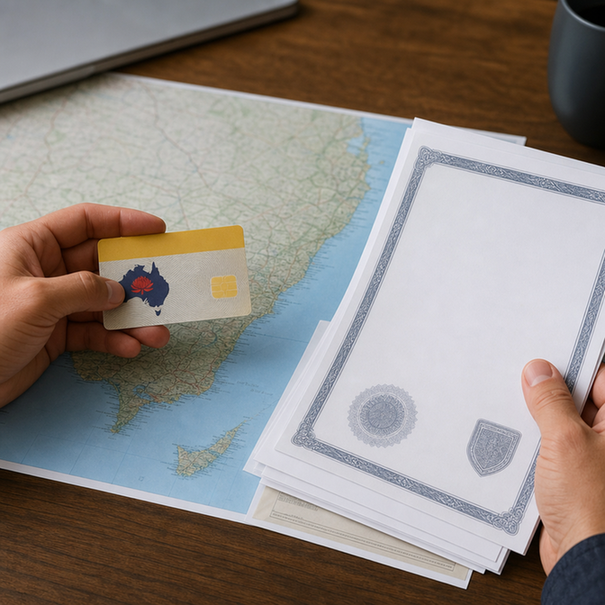
First, you must check a builder’s licence and qualifications. The New South Wales government has clear rules to protect homeowners. Any builder doing home projects over $5,000 in New South Wales must have a current contractor licence.[1 – 3] You should ask for their licence number. Then, check it on the NSW Fair Trading website. This simple check proves they are qualified. It also shows any past problems or complaints. This is your first step to avoid bad builders. A professional builder will gladly share this information as part of our process.
Insurance is also very important. For any project over $20,000 in NSW and WA, your builder must have Home Building Compensation (HBC) insurance, and in other states and territories the law sets different price limits for when similar cover is needed.[4 – 6] According to NSW Government guidelines, this insurance protects you. It helps if your builder cannot finish the job because they go out of business, die, or disappear. Ask for a copy of the HBC certificate before you pay a deposit. Also check that they have public liability insurance to cover accidents on site. Seeing these papers helps you feel secure that your project is protected from the start. Do not be afraid to ask for the paperwork; it is a normal business practice.
Understanding Your Contract: The Legal Blueprint of Your Project
The building contract is the most important paper for your project. It lists every detail, from the total cost to the final handover. You should ask what type of contract the builder uses. The two main types are fixed-price and cost-plus. A fixed-price contract sets the cost for the planned work. This gives you a set budget. Most banks need this type for loans on new builds. A cost-plus contract means you pay for labour and materials, plus the builder’s fee. This can make it easier to change plans, but the final cost is less certain.
Many builders use standard contracts from groups like the Housing Industry Association (HIA) or Master Builders Australia (MBA). Ask for a copy to read before you sign it. The contract should clearly list the work to be done. It should also include a payment plan and a realistic finish date. It needs to explain how changes you make to the plan are handled and priced. In NSW, a builder can only ask for a deposit of up to 10% of the contract price, and for work over $20,000 they must give you proof of home building cover before they take any money.[7 – 9] Understanding these key points makes sure you and your builder agree. This is the foundation for a smooth project.
Your Rights After Handover: Warranties and Defect Management
Your work with your builder is not over when they give you the keys. Australian law protects you long after the job is finished. It is important to ask a builder how they fix problems (defects). You should also ask what warranties are included. In NSW, the Home Building Act 1989 gives you strong legal warranties. In NSW, you usually get six years for major defects and two years for other defects in residential building work, although the exact timeframes can be different in other states and territories.[10 – 12] This starts from the day the work is finished. This is required by law, not an optional extra.
Most contracts also have a “defects liability period,” which is often 13 weeks. During this time, the builder is expected to fix small issues. This includes things like sticking doors or small paint marks. Ask about their specific process for this. How do you report an issue? How quickly do they reply? A clear system for fixing problems shows a builder cares about quality and happy clients. This talk helps you understand their long-term promise to their work. This is a key part of any successful renovation project.
Focusing on High-Value Spaces: Kitchen and Bathroom Questions
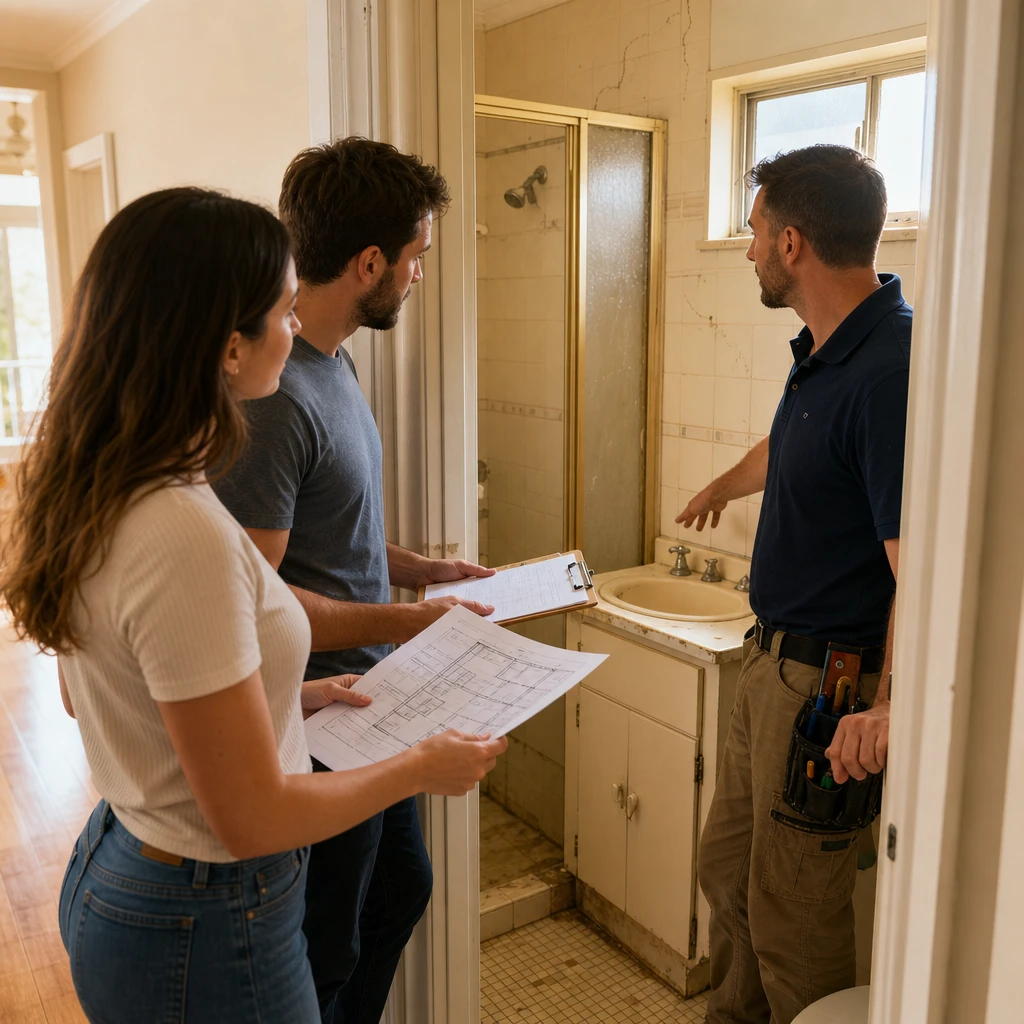
Kitchens and bathrooms are often the hardest and most costly rooms to update. They need many different workers, like plumbers, electricians, and tilers. For these special jobs, you need to ask more detailed questions. Start by asking about their favourite suppliers for fixtures, benchtops, and cabinets. This gives you an idea of the quality and style they often use. You should also ask what money has been set aside for key items. These are known as Prime Cost Items (like taps and ovens). They are also called Provisional Sums (for work like tiling where the final cost is not yet known).
Understanding these amounts is key to keeping your budget on track. Ask how they will handle waterproofing in the bathroom. This is a common cause of building problems if not done right. A good builder will give you a waterproofing certificate when finished. In the Newcastle area, a new kitchen can cost between $25,000 and $45,000. A full bathroom renovation is often between $10,000 and $30,000. Talking about these costs and details early helps make sure your dream kitchen or bathroom does not come with surprise costs.
Local Knowledge Matters: Navigating Newcastle Council and Heritage Rules
Every suburb has its own rules. A builder with local experience is very helpful. This is especially true in areas like Newcastle, which has a mix of new and old homes. You should ask if they know about Newcastle City Council’s approval process. Many renovations need a Development Application (DA). This is true if you change the building’s size or outside look. A builder who has worked in Merewether, Mayfield, or Dudley will understand these local rules. They can help make the process smoother.
Heritage rules are another important local factor. Many parts of Newcastle are in special heritage areas. If your home is a heritage item or in one of these zones, even small changes might need council approval. A builder without this local knowledge could cause long delays or even legal problems. According to the City of Newcastle, most building work in these areas needs approval. Asking a builder about their experience with heritage rules shows you are thinking ahead. It helps you choose someone who can handle the special challenges of your property.
Conclusion
Choosing the right builder is the biggest choice you’ll make for your home project. By asking these key questions, you take control. You will learn about licensing, contracts, warranties, and local rules. You move from being a hopeful homeowner to a smart partner in the process. Being prepared protects your money. It helps make sure the final result is exactly what you dreamed of. If you are ready to talk about your project in Newcastle or Lake Macquarie, we are here to answer all your questions. Contact us today to start the conversation.
[1] nsw.gov.au [2] nsw.gov.au [3] lawpath.com.au [4] nsw.gov.au [5] nsw.gov.au [6] contractsadministrator.com.au [7] nsw.gov.au [8] nsw.gov.au [9] contractsspecialist.com.au [10] ownerinspections.com.au [11] jonathan-homes.com.au [12] jacobsecco.com
Frequently Asked Questions
What questions should I ask a builder before signing a contract in NSW?
You should ask for their licence number, proof of insurance (including Home Building Compensation insurance if required), and examples of recent projects. Also ask what type of contract they use (fixed-price or cost-plus), what is included and excluded in the price, how they manage variations, and what their estimated timeline and payment schedule look like.
How do I check if my builder is licensed in NSW?
Ask the builder for their contractor licence number and full business name, then search it on the NSW Fair Trading licence check website. You’ll be able to see if the licence is current, what type of work they’re allowed to do, and whether there have been any recorded disciplinary actions or restrictions.
What insurance should my builder have in NSW before I pay a deposit?
For residential projects over $20,000 in NSW, your builder must have Home Building Compensation (HBC) insurance and should provide you with a copy of the certificate before you pay a deposit. They should also hold current public liability insurance, and often contract works insurance, to cover damage to the site and injuries to third parties.
What is the difference between a fixed-price and cost-plus building contract?
A fixed-price contract sets a lump sum for the agreed scope of work, giving you a clear budget and is typically required by banks for new build finance. A cost-plus contract charges you the actual cost of labour and materials plus an agreed margin, which can allow more flexibility for changes but makes the final price less predictable.
Why do banks prefer fixed-price building contracts for new builds?
Banks prefer fixed-price contracts because the total project cost is clearly defined, which makes the loan amount and risk easier to assess. This certainty helps protect both the lender and the homeowner from large, unexpected budget blowouts during the build.
What should be included in a building contract with my builder?
A building contract should clearly state the total price or how it will be calculated, the scope of work, plans and specifications, allowances (prime costs and provisional sums), start and completion dates, and how variations will be handled. It should also set out the payment schedule, warranties, dispute resolution process, and what happens if delays or defects occur.
How can I avoid budget blowouts when building in Newcastle or Lake Macquarie?
Choose a licensed, insured builder who provides a detailed fixed-price contract and a clear inclusions list, so you know exactly what you’re paying for. Ask specific questions about allowances, potential site costs, timelines, and how variations are priced so you can plan realistically and avoid surprise extras.
What should I ask about a builder’s process before choosing them?
Ask how they handle design and approvals, who will be your main point of contact, how often you’ll get updates, and how they manage quality control on site. It’s also important to ask about their typical project timelines, how they handle variations or unexpected issues, and what their handover and defect rectification process looks like.
How do I know if a builder is the right fit for my custom home or renovation?
Look for a builder with experience in similar projects and areas, a clear communication style, and transparent answers to your questions about contracts, costs, and timelines. Checking licences, insurance, references, and how detailed their proposal and inclusions list are will help you judge whether they’re organised and trustworthy.
Why is Home Building Compensation (HBC) insurance important for homeowners?
HBC insurance can cover you if the builder dies, disappears, or becomes insolvent and can’t complete or fix the work. It offers a safety net for major financial loss on projects above the legal threshold, which is why you should always ask to see the HBC certificate before paying a significant deposit.