Table of Contents
- Choosing the Best Glass Pool Fencing for Your Home
- Frameless vs Semi-Frameless vs Framed: Which Glass Pool Fence Fits Your Home?
- Safety, Compliance and Local Conditions for Glass Pool Fencing
- Cost, Durability and Maintenance: Getting Long-Term Value from Glass Pool Fencing
- Conclusion: Choosing Glass Pool Fencing with Confidence
Choosing the Best Glass Pool Fencing for Your Home
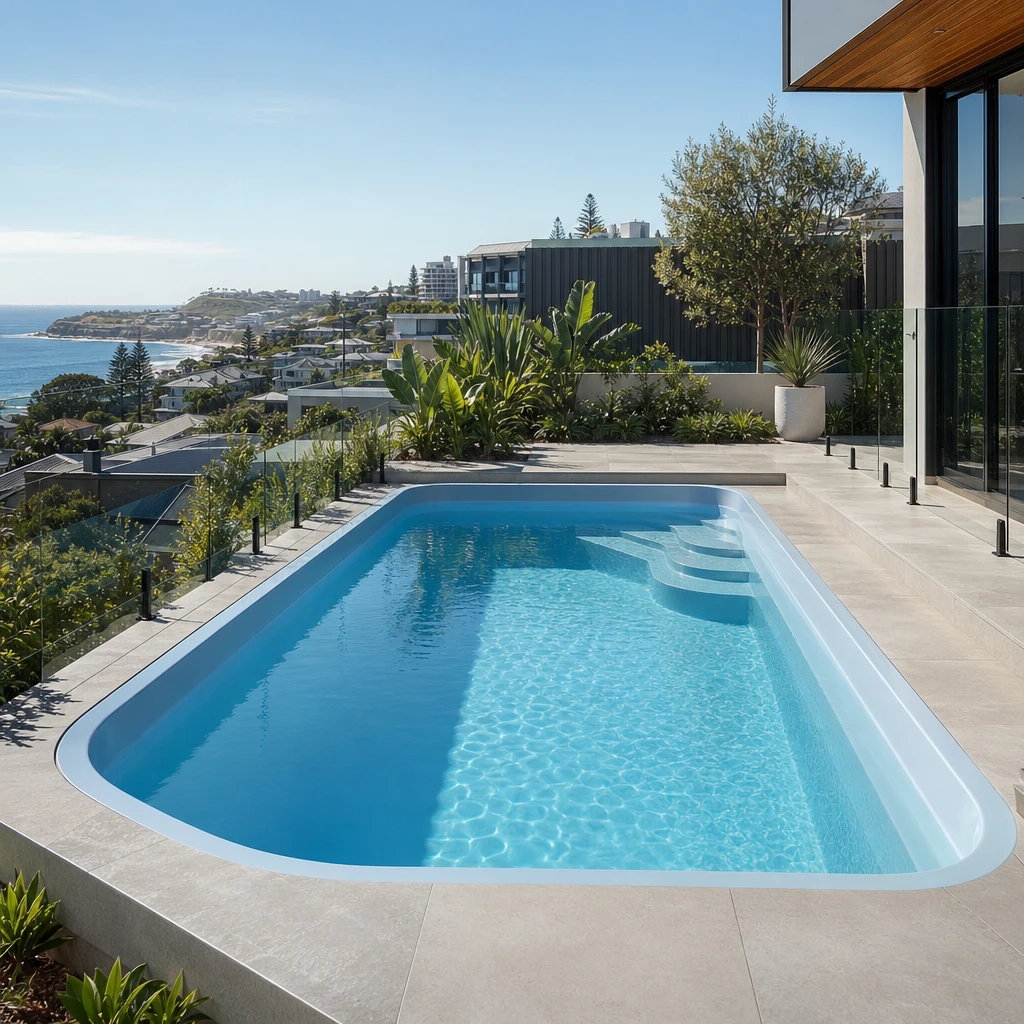
Glass pool fencing is now a popular choice for many Australian backyards because it combines safety and style. The clear panels keep kids and pets away from the water while still letting you enjoy the view. For modern homes, frameless and semi-frameless glass in 12mm toughened safety glass are now a standard choice. They offer strength and clean lines that suit modern outdoor spaces in areas like Newcastle and Lake Macquarie.
When you’re choosing fencing, it’s not just about looks. You also need to think about rules, glass type, wind, and long-term wear. At JGBUILD, we focus on glass pool fencing that meets Australian standards and improves your outdoor area. According to industry guidance, toughened safety glass that meets standards like AS 1926.1 and AS/NZS 2208 gives the level of safety and performance that today’s homeowners expect.
Frameless vs Semi-Frameless vs Framed: Which Glass Pool Fence Fits Your Home?
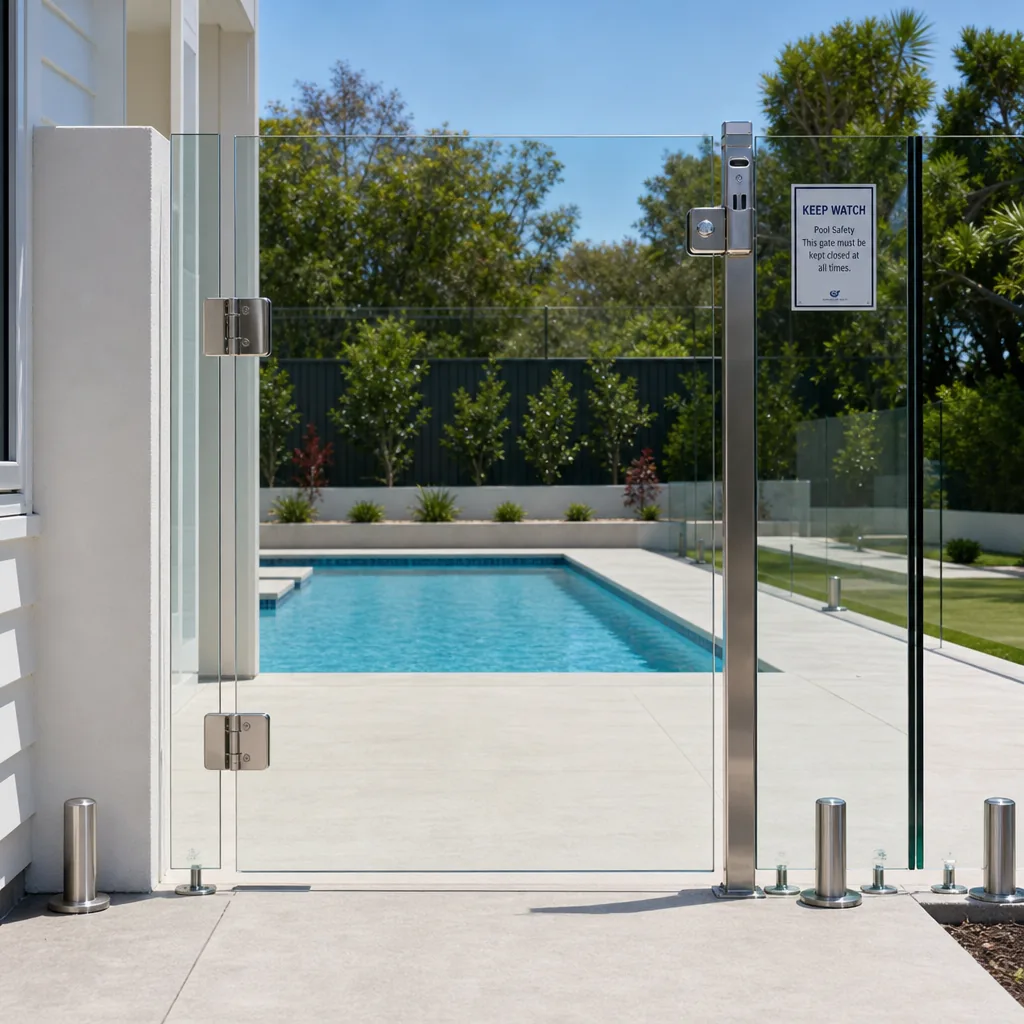
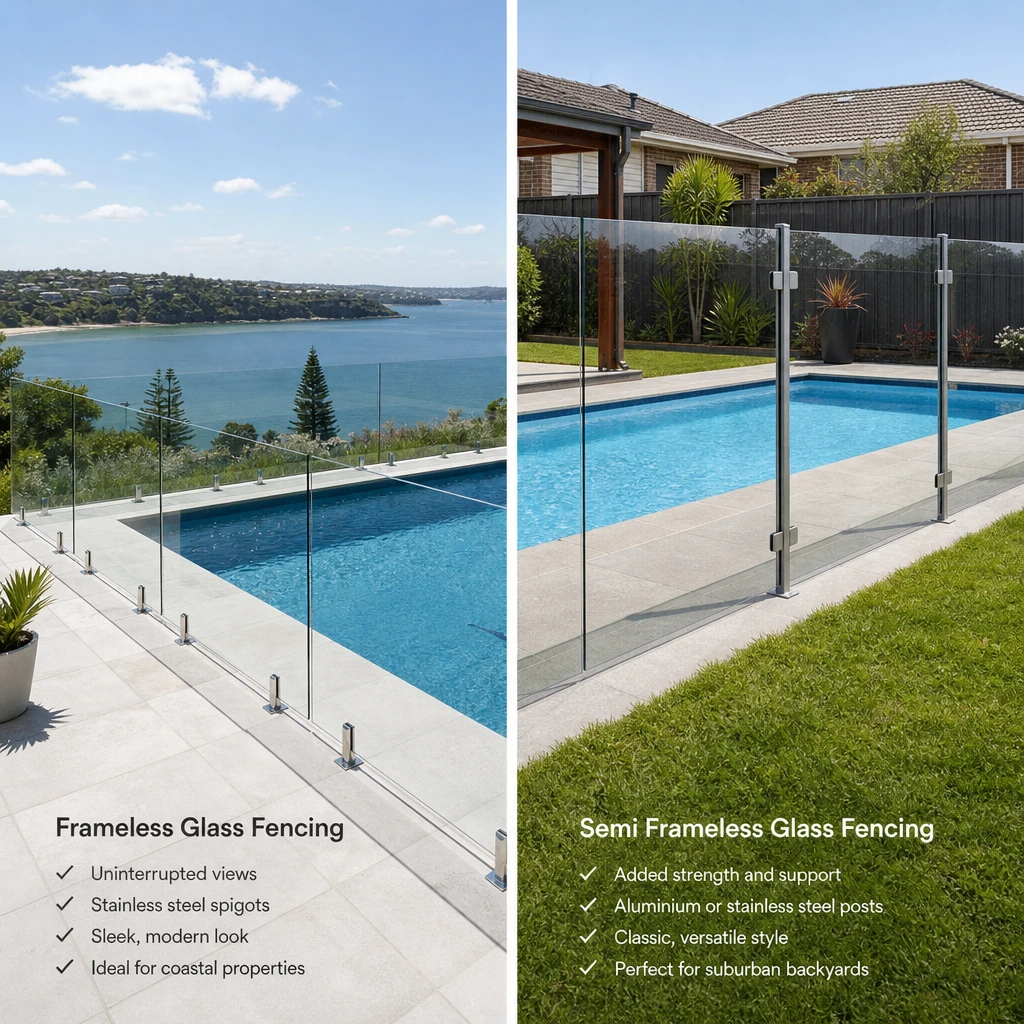
The first big choice is fence style. Frameless glass pool fencing uses thick panels fixed with metal spigots, often stainless steel. There are no posts between panels, so you get a near invisible barrier. This gives the widest view across your pool and yard. This option suits modern homes in places like Merewether or Warners Bay, where coastal views and light are a big part of the appeal.
Semi-frameless glass fencing still gives you clear panels, but they’re held by vertical posts, usually aluminium or stainless steel. The posts break up the line a little but can suit homes with more classic or detailed styles. They also help share the load, so panels are often a bit thinner than frameless systems. Fully framed systems surround each panel with metal on all sides and are usually the most budget-friendly option, though they block views more clearly.
Across every style, Australian best practice is to use toughened (tempered) safety glass. It is several times stronger than normal glass and breaks into small pieces instead of sharp shards if damaged. As explained in technical guides, the exact thickness and panel size must suit your site and loads, including wind. For coastal and exposed areas, like parts of Lake Macquarie and Dora Creek, this site-specific design is especially important.
Beyond structure, you can choose different glass types for clarity and privacy. Standard clear toughened glass is most common and keeps your pool on show. Many buyers now expect this in higher-end homes. Low-iron glass reduces the green tint for a sharper view, so it is popular in premium builds. Frosted or acid-etched glass softens the view for semi-privacy along boundaries or near neighbours, while still letting in plenty of daylight. Each type has its place, and a local installer such as JGBUILD’s glass pool fencing team can help balance looks, cost and function to suit your block.
Safety, Compliance and Local Conditions for Glass Pool Fencing
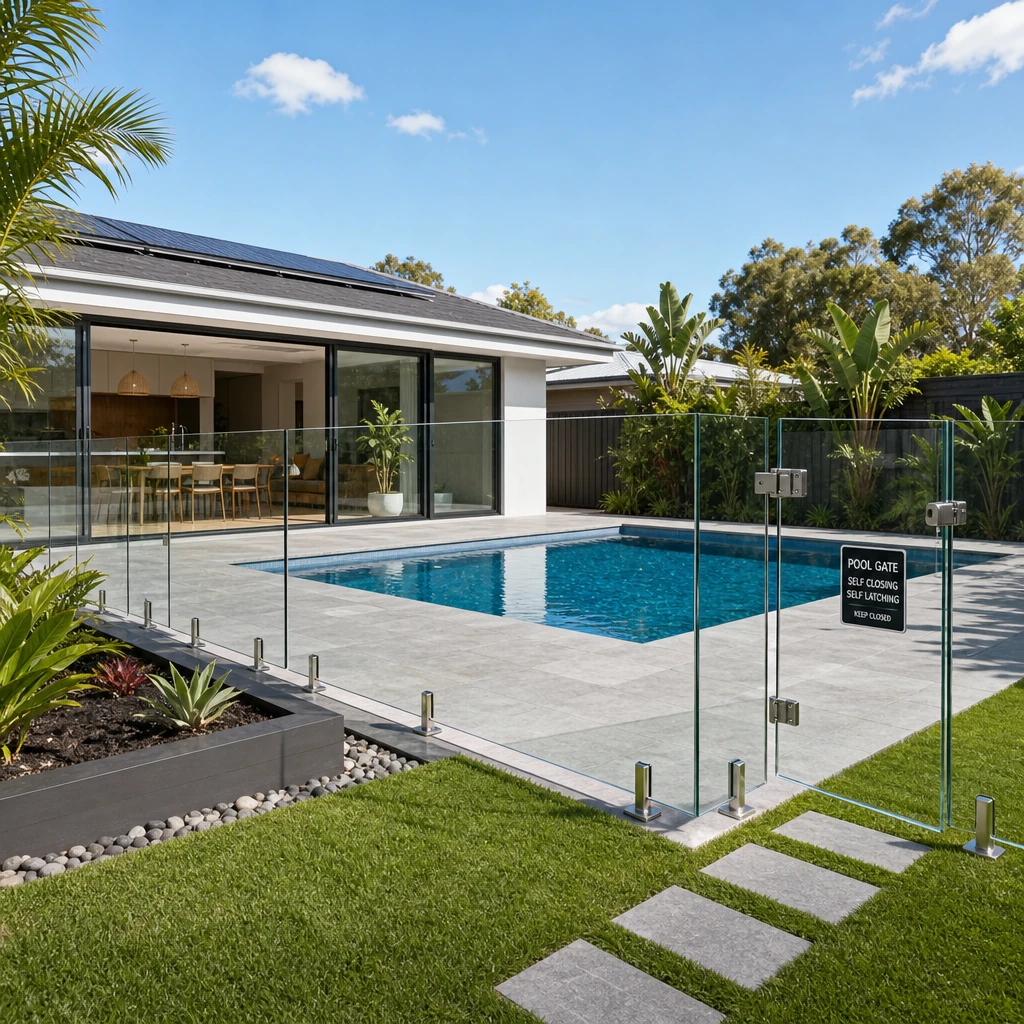
Every pool fence in New South Wales must comply with the Swimming Pools Act 1992,[1] the Swimming Pools Regulation 2018[2] and the relevant version of Australian Standard AS 1926 for that particular pool.[3] This means minimum heights, maximum gaps, self-closing gates and a clear, non-climbable zone around the outside of the barrier. Newcastle and Lake Macquarie councils follow these state rules. A fence designed and installed to current standards will usually pass checks in suburbs like Adamstown, Cardiff and Mayfield.
The core safety ideas are simple. The fence must be high enough so young children cannot climb over it. Gaps between and under panels must be small enough so kids cannot squeeze through. Gate latches must sit out of easy reach and the gate must shut and latch by itself every time. According to summaries from the Swimming Pool and Spa Association of Australia, the Australian Standard AS 1926.1-2012 requires a 900mm non-climbable zone on the outside of a pool fence,[1] and for boundary fences used as part of the pool barrier this 900mm zone is usually required on the pool side of the fence.[2][3] This area must be free of footholds like planter boxes and horizontal rails, so the fence acts as a real barrier rather than just a marker.
Compliance doesn’t stop at glass thickness and gate hardware. Local conditions in places like Eleebana, Toronto and Dudley bring extra design needs, such as wind and salt in the air. In windy coastal pockets, glass panel sizes and fixing methods must be checked by a competent designer. This makes sure they meet both glazing and wind action standards. It can affect choices like panel width, the number of spigots, and whether a frameless or semi-frameless system suits your site. A builder who often works in these suburbs, like JGBUILD, will know local terrain, council expectations and common inspection issues.
It’s also wise to think about future checks and certificates. Many homeowners in Lake Macquarie book a pre-inspection once the fence is up, so any small issues can be fixed before the official visit. A reputable installer should provide papers on the glass and hardware (showing it is safety glass tested to standards like AS/NZS 2208), along with layout plans. Resources such as the SPASA overview of pool fencing rules and regional guides from fencing specialists give useful background. Your installer should also explain the details in plain language so you know how your new fence keeps your family safe.
Cost, Durability and Maintenance: Getting Long-Term Value from Glass Pool Fencing
When planning glass pool fencing around Charlestown or Lake Macquarie, price is always part of the talk. Frameless systems with thicker glass and high-grade spigots usually sit at the top of the price range. The panels and hardware cost more and installation is more exact. Semi-frameless solutions with aluminium or steel posts tend to land in the middle, while fully framed options are usually the most affordable to install. National cost guides show that glass fencing sits above basic aluminium or mesh, but offers a different level of finish and visibility.
Hardware plays a big role in both cost and life span. For coastal and lakeside sites in suburbs like Warners Bay or Dora Creek, corrosion resistance is vital. Many homeowners choose stainless steel hardware to handle salt air and reduce rust risk. Powder-coated aluminium posts can also perform well when chosen and installed correctly. As explained in industry cost and materials guides, higher quality fixings often pay off. They lead to fewer replacements and less upkeep over the life of the fence, especially in harsh outdoor areas with wind and spray.
On the durability front, toughened safety glass used for pool fencing is built to handle impacts and weather far better than ordinary glass. It is heat-treated so it is several times stronger. If it does break, it crumbles into small, blunt pieces rather than long, sharp shards. With proper installation and care, glass pool fences can last many years while staying safe and clear, even in exposed spots around Newcastle and Lake Macquarie.
Upkeep is easier than many people think. Most of the time, warm soapy water and a soft broom or sponge will keep panels clean. In salty areas, a quick rinse with fresh water after big storms can help reduce build-up on both glass and metal. Some homeowners choose protective coatings that make water bead and dirt less likely to stick, which can cut cleaning time. Regular checks of hinges, latches and spigots are also important. A simple habit of tightening any loose fixings and confirming the gate closes by itself can prevent bigger problems later.
When you view glass pool fencing as a long-term investment rather than a short-term cost, the picture changes. The clean, open look can make even a modest backyard feel larger and more inviting, which often appeals to buyers when it’s time to sell. Guides from Australian glass and fencing specialists note that high-quality glass fencing is now seen as a premium feature compared with older-style metal bars or solid walls. By choosing suitable materials and a skilled local installer such as JGBUILD, homeowners around Eleebana and nearby suburbs can enjoy safe, low-maintenance fencing that supports both everyday family life and long-term property appeal.
Conclusion: Choosing Glass Pool Fencing with Confidence
Selecting the right glass pool fencing for your home means balancing safety, style and local conditions. Frameless, semi-frameless and framed systems each bring different strengths. Details like glass type, hardware and layout all affect performance and cost. For homes in Charlestown, Lake Macquarie and nearby suburbs, working with a local team that understands NSW rules and coastal conditions makes the process much easier.
If you’re ready to plan a new pool fence or upgrade an older barrier, reach out to JGBUILD for friendly, practical advice and a tailored quote. Together, we can design a glass pool fence that keeps your family safe and your outdoor area looking its best for years to come.
[1] spasa.com.au [2] standards.org.au [3] nsw.gov.au
Frequently Asked Questions
What is the best type of glass pool fencing for my home?
The best type of glass pool fencing depends on your style, budget, and site conditions. Frameless glass suits modern homes and maximises views, semi-frameless suits more classic homes and is usually mid-range in cost, while fully framed systems are typically the most budget-friendly but block more of the view. For most Australian homes, 12mm toughened safety glass that complies with AS 1926.1 and AS/NZS 2208 is considered a strong, safe option. A company like JGBUILD can assess your pool area, wind exposure, and design goals to recommend the right system.
Is glass pool fencing safe for kids and pets?
Yes, when installed correctly and compliant with Australian Standards, glass pool fencing is very safe for kids and pets. Toughened (tempered) safety glass is several times stronger than normal glass and is designed to break into small granular pieces rather than sharp shards if it fails. The fence layout, gate hardware, and latch height must all meet pool safety regulations to prevent unsupervised access. JGBUILD designs glass pool fences to meet or exceed these requirements in areas like Newcastle and Lake Macquarie.
What is the difference between frameless and semi-frameless glass pool fencing?
Frameless glass pool fencing uses thicker panels fixed to the ground with metal spigots and has no vertical posts between panels, giving you almost uninterrupted views. Semi-frameless fencing uses clear glass panels held by vertical aluminium or stainless steel posts, which slightly break up the line but can better suit classic or more detailed home styles. Frameless is typically more premium and may cost more due to thicker glass and hardware, while semi-frameless can be a balance between look and budget. Both can be engineered to meet Australian safety standards when designed properly.
How thick should glass pool fencing be in Australia?
Most frameless glass pool fencing in Australia uses 12mm toughened safety glass, while some semi-frameless systems can use slightly thinner panels because the posts share the load. The exact thickness and maximum panel size depend on factors like wind loads, height, and whether your pool is in an exposed or coastal area. Standards like AS 1926.1 and AS/NZS 2208 set the safety requirements, but an installer must also apply site-specific engineering. JGBUILD assesses conditions in locations such as Newcastle, Merewether, and Lake Macquarie to specify suitable glass thickness.
Do I need council approval for glass pool fencing in NSW?
In NSW, your pool and fencing must comply with the Swimming Pools Act and AS 1926.1, and in many cases, approval or certification is required. Whether you need formal council approval can depend on whether the pool is new, being renovated, or part of a larger building project. Even if a separate DA isn’t needed, you’ll need a compliant barrier before the pool can be legally filled and used. Professional installers like JGBUILD can guide you through local requirements and work with certifiers to ensure compliance.
How much does glass pool fencing cost compared to other pool fences?
Glass pool fencing typically costs more upfront than basic aluminium tubular fencing because of the thicker safety glass and specialised hardware. Frameless systems are generally the most expensive, semi-frameless sits in the middle, and fully framed glass or metal options are usually the most budget-friendly. However, glass can add value by improving views and giving a more premium look to outdoor areas. JGBUILD can provide itemised quotes based on fence length, style, site access, and hardware choices.
Is glass pool fencing good for coastal areas like Newcastle and Lake Macquarie?
Glass pool fencing works very well in coastal areas because it preserves water and ocean views while providing a safe barrier. In exposed or windy locations like parts of Lake Macquarie and Dora Creek, the design must account for higher wind loads and potential corrosion. Using marine-grade stainless steel hardware and correctly specified glass thickness is important to prevent premature wear. JGBUILD designs glass pool fences specifically for local coastal conditions to ensure long-term performance.
How do you clean and maintain glass pool fencing?
Glass pool fencing is relatively low maintenance and usually only needs regular cleaning with mild soapy water and a soft cloth or squeegee to remove water spots and dirt. In coastal or high-pool-chemical environments, rinsing glass and hardware with fresh water helps reduce corrosion and staining. Avoid harsh abrasives or acidic cleaners that could damage glass coatings or metal finishes. JGBUILD can recommend suitable glass and hardware options, including low-iron or coated glass, to make cleaning easier.
What Australian standards apply to glass pool fencing?
The main standards for glass pool fencing in Australia are AS 1926.1, which covers pool safety barriers, and AS/NZS 2208, which specifies requirements for safety glazing materials. These standards address barrier height, climbability, gate operation, and the performance of toughened safety glass under impact. Compliance ensures the fence will help prevent unsupervised access and will behave predictably if damaged. JGBUILD designs and installs glass pool fences to meet these standards and relevant local regulations.
Can JGBUILD help design and install glass pool fencing at my property?
Yes, JGBUILD offers design and installation of glass pool fencing tailored to your home and outdoor area. They assess your site, including wind exposure, ground conditions, and existing structures, then recommend frameless, semi-frameless, or framed options that meet Australian standards. The team manages measuring, supply of 12mm toughened safety glass and hardware, and professional installation. This ensures you get a compliant, durable, and visually appealing pool fence for your property in areas like Newcastle and Lake Macquarie.