Table of Contents
- Outdoor Living in Lake Macquarie: Decks, Pergolas, and More
- Decks, Patios, Pergolas, Verandahs, and Glass Rooms
- Designing for Newcastle and Lake Macquarie’s Coastal Climate
- Costs, ROI, and Choosing the Right Outdoor Upgrade
- Conclusion: Picking the Outdoor Space That Fits Your Life
Outdoor Living in Lake Macquarie: Decks, Pergolas, and More
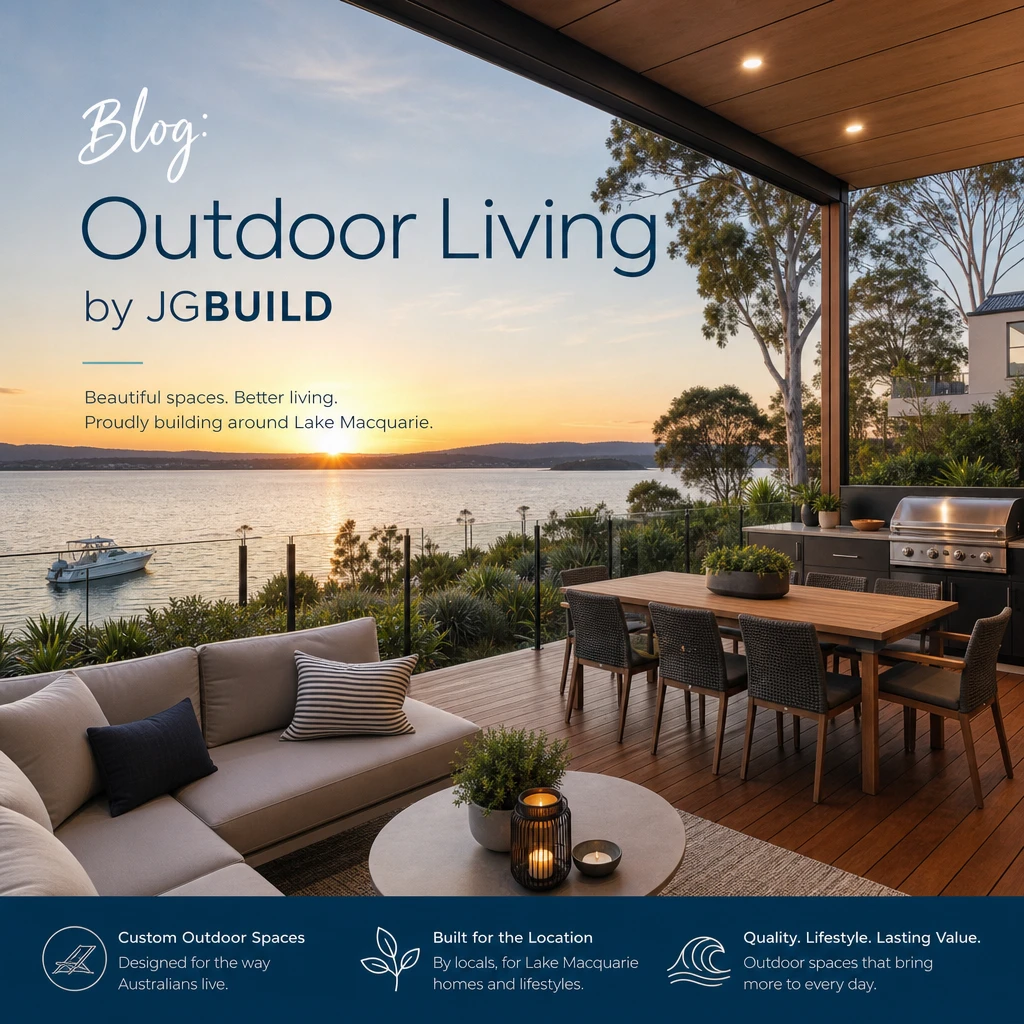
Outdoor living is a big part of life in Lake Macquarie and Newcastle. A well-planned deck, pergola, verandah, patio, or glass room lets you enjoy the breeze and entertain friends. It also adds real comfort to your home. These spaces help you deal with our humid coastal climate, with strong sun, salt air, and the odd wild storm. That can be in Hillsborough, Warners Bay, or Toronto.
You can see how decks and pergolas work together, when a patio is better, and where verandahs and glass rooms fit in. With the right mix, you get an outdoor upgrade that suits your block, budget, and lifestyle. This is especially true if you want to work with a Newcastle builder specialising in renovations and fitouts to bring the design together from day one.
Decks, Patios, Pergolas, Verandahs, and Glass Rooms
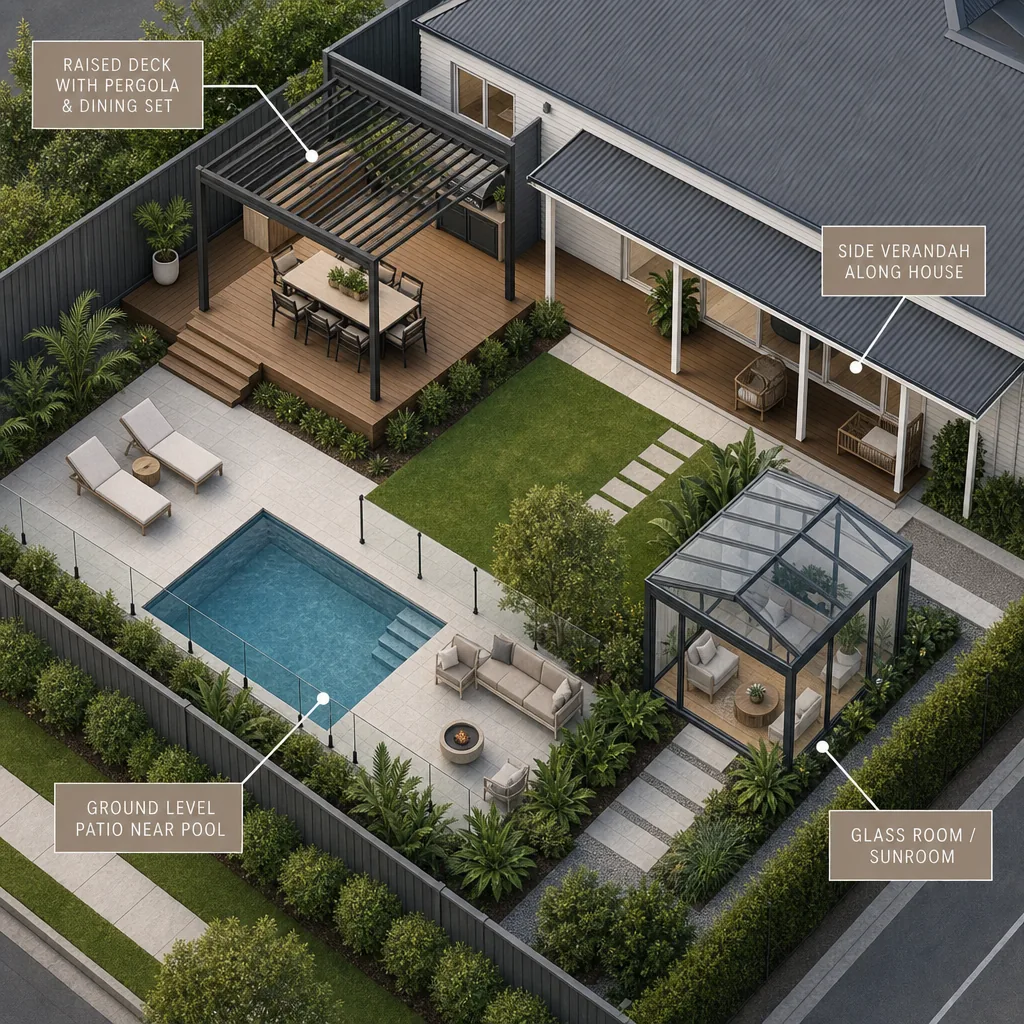
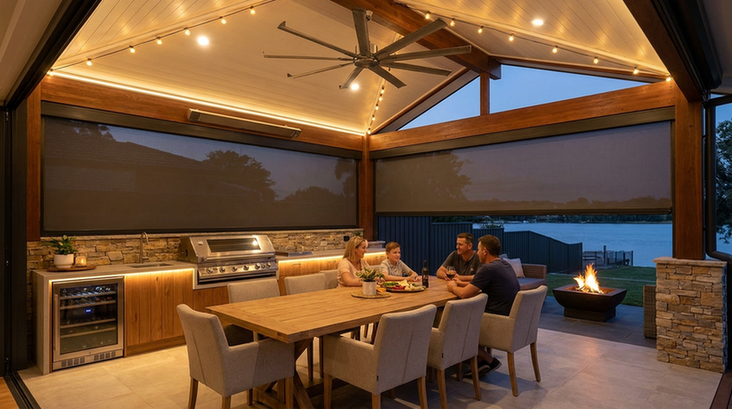
Pairing a timber or composite deck with a pergola is one of the best ways to extend your living area without a full extension. A deck lifts you off uneven ground. The pergola shapes the “ceiling” and shade. According to flexpatio.com’s complete guide for modern outdoor living, this deck-and-pergola pairing is one of the most effective ways to create a useful outdoor room. Together, they can feel like a second lounge room. This works well when you place your main seating or dining set under the pergola for comfort and easy movement.
Good planning starts with a clear layout. Use the central zone under the pergola for everyday use, like dining or lounging. Let the deck edges handle sun loungers, pot plants, or a small bar table. Keep walkways at least a metre wide so people can move around without squeezing past chairs. String lights or slim LED strips along pergola beams help you use the space after dark without harsh glare. Style and privacy bring everything together. In older areas like Merewether or Dudley, warm timber pergolas can blend well with weatherboard and brick homes. In newer parts of Cardiff or Adamstown, a slim steel or aluminium frame can suit more modern lines.
Structure matters as much as looks. Pergola posts should tie back to proper deck footings or concrete piers, not just sit on deck boards. That way, the weight and any wind loads go through the main frame. Where possible, aim for a flush threshold between your inside floor and the deck so you don’t trip when you step out. Wide sliding or stacker doors make this change feel almost seamless. They also keep the area feeling open even on wet days. Local homeowners often want this when comparing timber vs composite decking options for Hillsborough homes and similar suburbs.
A patio is set on the ground, often concrete or pavers. It’s usually cheaper at the start than a deck and needs little care beyond cleaning. On flatter blocks in Mayfield or Warners Bay, a patio can be an easy win, especially near a pool. However, some experts argue that the “cheaper and low‑maintenance” line can be a bit too neat.[1] On the other hand, once you move beyond a basic concrete slab and start looking at feature paving, fancy patterns, or higher‑end stone, patio costs can creep up close to an entry‑level deck, especially if there’s drainage or retaining to sort out on a sloping block.[2] And while patios don’t need oiling like timber, they’re not entirely set‑and‑forget either; sealing, re‑sealing, and dealing with stubborn stains or shifting pavers can add a little ongoing work over the years.[3] In a few cases, a modest raised deck with simple finishes can actually come in surprisingly close on price, particularly if access is tricky for concrete trucks or excavation. So patios are usually the easier win on cost and care, but it’s still worth running the numbers for your own site rather than assuming they’ll always be miles ahead. It feels solid and modern. It is great if you want a simple spot for a table, a few chairs, and maybe a BBQ, much like the straightforward entertaining areas shown in MyLiving Outdoors’ verandah, decking, and pergola projects. For privacy, slatted screens, climbing plants, or outdoor blinds along one or two sides can block neighbours’ views without cutting off light or airflow.
A verandah is a covered area that usually runs along one or more sides of the house. It has a more solid roof for better rain protection. Many Lake Macquarie homes already have a basic verandah. This can be upgraded with screening, better roofing, or a new floor surface. It is often done as part of broader building and renovation services in Newcastle that join indoor and outdoor spaces. With better lighting, decent furniture, and some weather-smart changes, it quickly shifts from “spare strip” to everyday living space.
Glass rooms sit further along that line. They use glass walls or large sliding panels to create a sun-filled room you can close up in bad weather. Done right, they cost less than a full brick extension but still add useful space for dining or a second living area. With good shading and ventilation, a glass room lets you enjoy winter sun and still open wide for summer breezes from the lake. Choosing between a verandah and a glass room is less about which is “best” and more about what suits your yard shape, budget, and how much protection you want year-round. A trusted local Newcastle builder like JG Building can help you weigh this up in detail.
Designing for Newcastle and Lake Macquarie’s Coastal Climate
Our local climate brings strong UV, salty air, and humid summers, so material choice really matters. Hardwoods like Merbau and Spotted Gum generally cope with salty air and moisture far better than untreated softwoods.[1–3] Their natural oils and density resist rot and insects for many years when cared for the right way. High-quality composite boards, made from timber fibres and plastic, are also very resistant to moisture and won’t rot. They are a smart option if you want low care and don’t want to recoat every year. These are points raised often in guides like Timber vs Composite Decking for Hillsborough Homes.
Treated pine keeps upfront costs down, but in coastal spots it needs regular sealing to limit warping and cracking. If you’re close to the lake or exposed to strong winds, stainless fixings and brackets are worth the extra spend. Salt can chew through cheaper steel over time. For pergola roofing, you can mix open beams with some solid sections or polycarbonate panels. This gives you filtered shade, protects key zones like a dining table, and still lets breeze and light move through. This approach appears in many deck and pergola designs featured by specialist outdoor builders.
Layout should respond to sun and wind. In many Hillsborough and Lake Macquarie backyards, the afternoon sun from the west can be fierce. Place a pergola so its slats or battens block that angle. This makes the deck usable for longer on summer days. It also helps to put cooking zones where smoke can drift away from the house and seating. Simple details like this, plus sensible drainage around footings and slabs, help your outdoor area stay drier, safer, and easier to enjoy after summer storms. They sit alongside other upgrades like modern bathroom and laundry renovations for 2026 when you plan a whole-of-home refresh.
Costs, ROI, and Choosing the Right Outdoor Upgrade
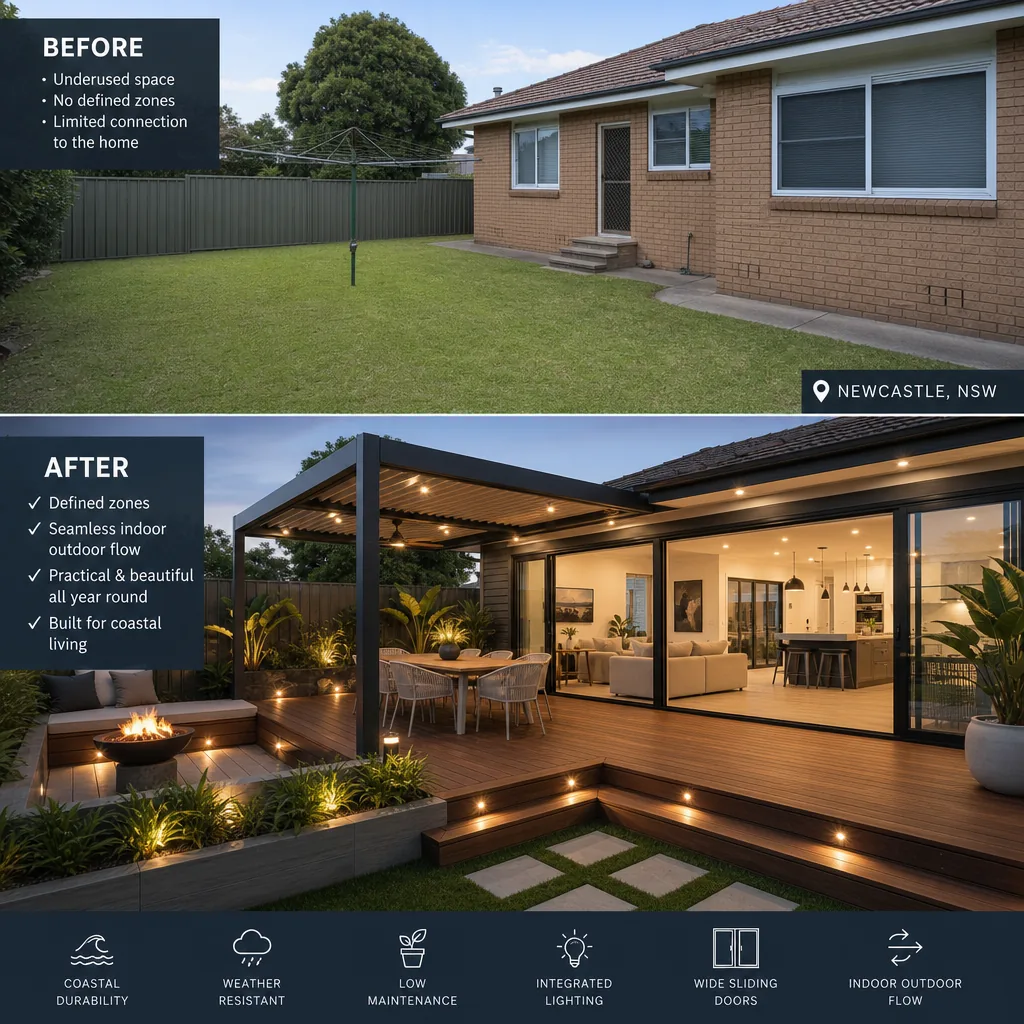
Costs vary, but you can still plan with rough ranges in mind. Timber and composite decks sit at the higher end per square metre compared with a plain concrete patio. This is due to framing, posts, and more detailed labour. Patios usually cost less to build, especially if your yard is already fairly level, which is common in many Adamstown and Mayfield streets. However, decks give better comfort underfoot than plain concrete, which can get quite hot in direct sun. Decks often feel more welcoming on long summer afternoons.
Pergola pricing depends on size, height, and materials. A simple timber frame over a small patio or deck is usually the most budget-friendly option. Larger custom designs, powder-coated steel, and adjustable louvre systems sit higher in the price range. Extra features like outdoor kitchens, built-in seating, and layered lighting add to the total. They also turn the area into a true extension of your home, not just a “nice to have” space you use twice a year. You can see this when you look at resources like Transform Your Backyard with Deck and Pergola Combos, which show how thoughtful extras can change how often you use the space.
Glass rooms and upgraded verandahs generally cost more than a basic pergola, yet still sit under the price of a full brick-and-mortar extension in most cases.[1–3] For many local homeowners, that makes them a sweet spot. You gain a bright extra room for year-round use without taking on the size and cost of a full home addition. Returns show up in two ways. First, in daily lifestyle value, with more time outdoors, easier entertaining, and a place for kids to spread out. Second, in resale appeal, as buyers across Newcastle and Lake Macquarie often notice homes with well-done outdoor living zones. If you match the design to your house style, choose durable materials for our climate, and use the space often, that is a return you will feel. This is even more true if your outdoor area ties into other upgrades like turnkey pool installation packages or broader building and renovation services.
Conclusion: Picking the Outdoor Space That Fits Your Life
Decks, pergolas, verandahs, patios, and glass rooms each add something different to outdoor living around Lake Macquarie and Newcastle. A raised deck with a pergola can act like a second lounge. A simple patio offers an easy, low-fuss gathering spot. Verandahs and glass rooms step things up again, giving you stronger weather protection and more year-round use. This is similar to the way custom pergolas and outdoor living spaces by Pergolas Plus show how varied these solutions can be.
The key is to match the structure to your block, climate exposure, and the way your family actually spends time outside. When you plan layout, structure, materials, and shade together from the start, your outdoor area will feel natural and comfortable. It will also be ready for anything our coastal weather throws at it. If you’re unsure where to begin, working with JG Building, a Newcastle renovation and outdoor living specialist, can help you turn those ideas into a practical, council-ready plan that suits your home.
[1] ecotimbergroup.com.au [2] ironbarktimber.com.au [3] bendigobuildingtimber.com.au
Frequently Asked Questions
What is the best outdoor living option for my home in Lake Macquarie or Newcastle?
The best option depends on your block, budget, and how you want to use the space. Many Lake Macquarie and Newcastle homes work well with a deck and pergola combination because it extends the living area and adds shade, while verandahs, patios, or glass rooms can suit homes needing more shelter from sun, wind, and coastal weather. A local renovation builder like JGBUILD can look at your site, orientation, and existing house to recommend what will work best. They’ll also help you balance lifestyle goals with structural and council requirements.
What is the difference between a deck, patio, pergola, verandah and glass room?
A deck is a raised platform, usually timber or composite, that levels out uneven ground and creates a defined outdoor floor. A patio is typically built on a concrete slab at ground level and may be paved or tiled. A pergola is the overhead structure that provides shade and defines the “ceiling” of your outdoor room, while a verandah is a covered area running along the side of a house, often under the main roofline. A glass room is a fully or semi-enclosed space with glazing, offering weather protection while still feeling connected to the outdoors.
Is it better to build a deck or a patio in the Newcastle climate?
In sloping or uneven yards, a deck usually works better because it can be built level without heavy excavation, and it copes well with drainage and coastal conditions. In flatter yards, a patio on a concrete slab can be a cost‑effective option and works well with tiles or pavers. In humid coastal areas like Newcastle, you also need to think about airflow, shade, and slip resistance. JGBUILD can assess your site and advise whether a raised deck, ground‑level patio, or a combination will give you the most practical outdoor living space.
Why do people often combine a deck with a pergola?
Pairing a deck with a pergola creates a complete outdoor room: the deck gives you a level, usable floor, and the pergola defines the roofline and shade. This layout works especially well for dining and lounging zones because it protects you from strong sun while still letting in breezes. It’s also flexible—you can add screens, plants, or lighting to the pergola to control privacy and atmosphere. In suburbs like Warners Bay, Cardiff, and Adamstown, this combination is one of the most popular ways to extend living space without a full house extension.
How should I plan the layout of my deck and pergola for entertaining?
Start by putting your main table or lounge setting in the central zone under the pergola where you’ll get the most shade and comfort. Keep walkways at least one metre wide so people can move around without squeezing past chairs or trip hazards. Use the deck edges for lower‑use items like sun loungers, pot plants, or a compact bar area. JGBUILD can help you draw up a scaled layout before building, so post locations, stairs, and door openings all work with your furniture plan.
How can I make my indoor and outdoor living areas feel seamless?
Aim for a flush threshold between the interior floor and the deck or patio so there’s no step to trip over. Wide sliding, stacker, or bifold doors create a large opening that visually connects the rooms and makes the outdoor area feel like a second lounge. Careful detailing of drainage and waterproofing around the door line is critical in coastal areas to prevent water issues. A builder experienced in renovations, like JGBUILD, can coordinate door selection, deck height, and flashing details so it looks seamless and performs well in heavy rain.
Should I choose timber or composite decking for a coastal home near Lake Macquarie?
Timber decking offers a warm, natural look and can suit character homes in suburbs like Merewether or Dudley, but it needs regular oiling or sealing to handle sun and salt air. Composite decking is more resistant to moisture, UV, and termites and generally needs less maintenance, which can be an advantage in humid coastal climates. The choice often comes down to budget, desired look, and how much time you’re willing to spend on upkeep. JGBUILD can walk you through timber vs composite options for your specific suburb and exposure.
How do I choose between a pergola, verandah, or glass room for weather protection?
If you mainly want shade and airflow, an open or partially covered pergola is usually enough and feels more like a true outdoor room. A verandah provides stronger rain and sun protection because it’s usually roofed and tied into the house, making it ideal for circulation along one side of the home. A glass room is best if you want to use the space in all weather and seasons, as it shields from wind, rain, and bugs while keeping natural light. JGBUILD can help you compare these options based on your orientation, prevailing winds, and how enclosed you’d like the space to be.
Do I need council approval to build a deck or pergola in Newcastle or Lake Macquarie?
In many cases you will need some form of approval, especially for larger decks, attached structures, or work near boundaries. Each council has specific rules around size, height, setbacks, and stormwater, and some smaller projects may qualify as exempt or complying development. It’s important not to assume approval isn’t needed, as non‑compliant work can cause issues when selling or insuring your home. JGBUILD is familiar with local council requirements and can advise whether your project needs approval and handle the documentation for you.
Can JGBUILD design and build my outdoor living area from start to finish?
Yes, JGBUILD specialises in renovations and fitouts and can manage the full process for your deck, pergola, verandah, patio, or glass room. They’ll help with concept design, material selection, structural detailing, and integration with your existing home. They can also coordinate engineering, approvals, and construction so you’re dealing with one team from planning through to final handover. This is especially valuable when you want your outdoor area to feel like a natural extension of your current living spaces.